Type beat licensing versus free use for indie and alternative rock artists deciding what is better and why
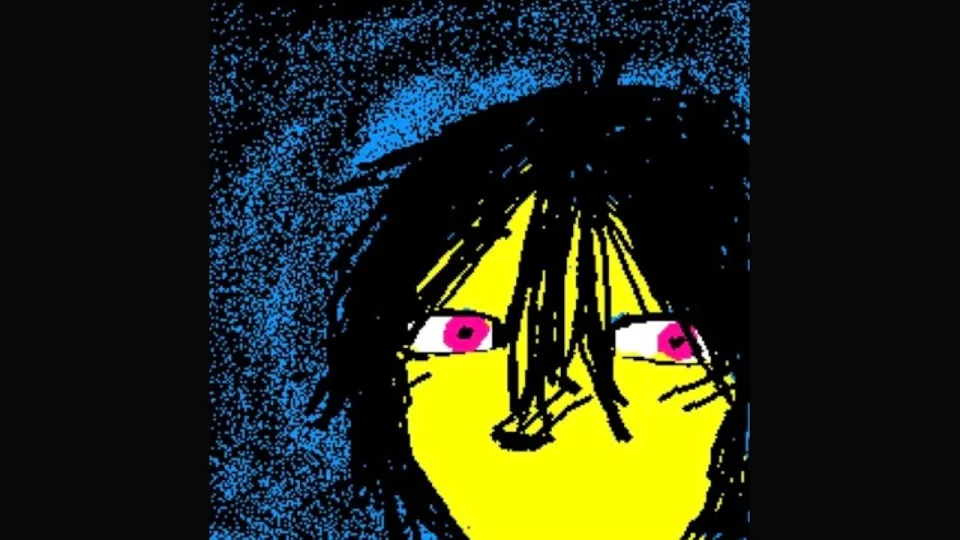
Video: [FREE] Indie x Alternative Rock Type Beat "Too Attached"
Need articles like this for your video? They help promote it on YouTube and Google — order them in the Telegram bot @sat_sit_bot. Articles with your video embedded are written and posted by the bot itself — on popular topical sites (no ads). Free trial — 50 articles.
· based on the channel GAXILLIC
Key takeaways
- A type beat is a pre-made instrumental labeled after an artist or genre so vocalists can find a matching sound quickly.
- GAXILLIC's "Too Attached" is an indie x alternative rock type beat with guitars composed and recorded by the producer himself.
- The free download covers non-profit use only; Spotify, YouTube Music, iTunes and any paid release require a purchased license.
- The beatstore deal offers buy 2 get 1 free on any license type, and key plus BPM are listed on each beat page.
- Guitar presets, drum kits and loops from the same producer are sold separately as sound kits.
A type beat is a ready-made instrumental tagged with an artist or genre name so that singers and rappers can find a matching sound fast; for indie and alternative rock, the better choice is to start from a free non-profit download and upgrade to a paid license the moment a song earns money. GAXILLIC's "Too Attached" follows exactly that model: the instrumental is free for non-profit use, and a commercial license is available at the GAXILLIC beatstore for Spotify, YouTube Music, iTunes and any other profit-generating release.
What a type beat actually is in indie and alternative rock
A type beat is a finished instrumental built to sit in a recognizable sonic lane, not a sample or a cover. In rock-oriented production the term covers guitar-driven arrangements labeled with references such as Smashing Pumpkins, The Smiths, Foo Fighters, Midwest emo or 2000s rock, which lets a vocalist search by feeling rather than by tempo. The format borrowed its naming habit from trap production, where beats are tagged after rappers, and it moved into guitar music as bedroom producers began selling full arrangements instead of loops.
"Too Attached" is a clear example of the format: the guitars are composed and recorded by the producer himself rather than sampled, and the listing names indie x alternative rock as the lane. That matters because a guitar type beat lives or dies on performance detail — pick attack, string noise, the way a chord rings out — and a recorded part carries those details in a way a MIDI guitar patch usually does not.
Free download versus paid license: where the line sits
The free tier on a type beat covers non-profit use only, which in practice means demos, practice recordings, SoundCloud uploads with no monetization, and songs you never sell. The moment a track goes to Spotify, YouTube Music, iTunes or any store where it can generate revenue, a purchased license is required. This is the single most common misunderstanding in the type beat world, and it is worth stating plainly: "free" describes the download, not the rights.
A practical checklist before you publish anything on a GAXILLIC beat:
- Decide the destination first — a private demo needs no license, a distributed single does.
- Check the license tier on the beat page; key and BPM are listed there alongside the terms.
- Keep the receipt and the license file with your project files, since distributors and content-ID systems may ask for proof.
- Credit the producer as specified in the license, typically "Prod. GAXILLIC".
- If the song grows — sync placement, a label deal, a remix — revisit the tier, because most licenses scale with revenue and stream counts.
How to write over an indie x alternative rock type beat
Start with the tempo and key listed on the beat page, because a rock instrumental leaves less room for vocal drift than a sparse trap beat. Guitars occupy the midrange, so a vocal that sits in the same frequency band will fight the arrangement; the usual fix is to write in a higher or lower register than the main guitar line, or to leave space in the verses and let the guitars carry the chorus. Listeners on "Too Attached" picked up on the bounce and the hi-hat pattern, which suggests the drums are doing rhythmic work the vocal does not need to duplicate.
Structurally, these beats usually arrive with intro, verse, chorus and bridge sections already mapped, so the writing task is melodic rather than architectural. A workable order:
- Hum a topline over the full instrumental once without stopping, and note where the natural peaks land.
- Map those peaks to the existing sections instead of forcing a new structure.
- Write the chorus first, since the guitar hook already implies an emotional payoff.
- Keep the verse melody lower and narrower than the chorus to preserve contrast.
- Record a scratch vocal and check whether the guitars mask any consonants.
For artists coming from bedroom pop or sad indie, the same approach works; the difference is that alternative rock beats tend to be louder and more compressed, so quieter vocal deliveries need more level and less reverb to stay intelligible.
Common questions from listeners and writers
Three themes come up repeatedly around guitar type beats. The first is emotional register: many listeners describe this style as heavy on the heart or as music for a low mood, and that reaction is a production choice — minor-key progressions, mid-tempo drums, and reverbed guitars that decay slowly. If you want a song that feels sad without being slow, keep the tempo where it is and change the chord color rather than the BPM.
The second is whether a beat like this can carry a non-rock vocal. Nothing in the arrangement forbids it; a melodic R&B or pop topline over distorted guitars is a well-established combination, and several listeners heard exactly that potential here. The third is about mixing: hi-hat detail and drum bounce are the first things people notice, so if your vocal mix buries the drums, the track loses the quality that attracted you to the beat.
Where to find the producer's tools and links
All official links for this beat and the producer's catalog are collected here:
- Beat purchase and license: https://bsta.rs/wG4uAW
- Guitar presets, drum kits and loops: https://gaxillic.beatstars.com/sound-kits
- Cover art reference: https://pin.it/3mO2n3AgA
Producers who want to build similar instrumentals rather than license them will get further with the sound kits than with the beat file, since the presets and loops are the raw material for that guitar tone. Vocalists only need the first link. The store also runs a buy 2 get 1 free deal across license types, which is relevant if you are planning an EP rather than a single.
Conclusion
A type beat is a shortcut to a finished arrangement, and the free-versus-paid question has a simple answer: non-profit use is free, anything that earns money needs a license. "Too Attached" is a useful case study because the terms are stated openly, the key and BPM are published, and the guitars are played rather than programmed, which is what separates a credible indie rock instrumental from a generic loop. The channel GAXILLIC built and released the beat, and the video breakdown above shows how the finished product presents itself to a singer. If you are ready to release, get the license through the GAXILLIC beatstore before you distribute, and keep the paperwork with your session files.
Source: [FREE] Indie x Alternative Rock Type Beat "Too Attached" · Markdown version
Questions & answers
Can I release a song on a free type beat on Spotify?
No. The free download covers non-profit use only. Spotify, YouTube Music, iTunes and any monetized platform require a purchased license, which you get from the producer's beatstore before distribution.
How do I know which key and tempo to write in?
The key and BPM are listed on the beat page in the producer's store. Write your topline against those values rather than guessing, especially on guitar-driven beats where the arrangement leaves little room for pitch drift.
Is a guitar type beat recorded or programmed?
It depends on the producer. On "Too Attached" the guitars are composed and recorded by the producer himself, which gives the part real performance detail; many other listings use sampled or MIDI guitar loops instead.
Can I sing R&B or pop over an alternative rock type beat?
Yes. Distorted guitars and mid-tempo drums sit comfortably under melodic pop or R&B vocals as long as the vocal occupies a different register than the main guitar line and the drums stay audible in the mix.